
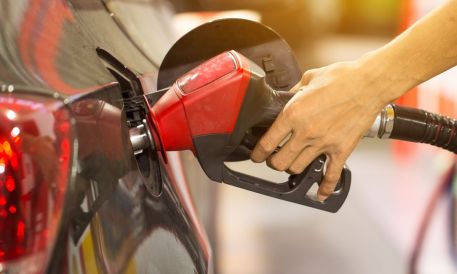
A group of California consumers filed a proposed class-action lawsuit alleging that gas station operators including Walmart, Marathon Petroleum, BP and 7-Eleven used an artificial intelligence pricing tool to illegally inflate pump prices in the state, according to a complaint filed in federal court in Sacramento. Complete the form to unlock this article and enjoy unlimited free access to all PYMNTS content — no additional logins required. By completing this form, you agree to receive marketing communications from PYMNTS and to the sharing of your information with our sponsor, if applicable, in accordance with our Privacy Policy and Terms and Conditions. The companies, which collectively operate more than 1,700 filling stations across California, used an algorithm from Kalibrate Fuel Systems that automatically adjusted prices based on shared confidential data, according to the complaint. The suit alleges the tool inflated gasoline prices by as much as 22 cents a gallon and diesel by 33 cents a gallon
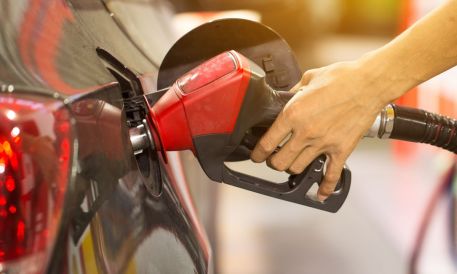 on top of prices that had already reached above $7 a gallon in some areas during the U.S. conflict with Iran. Every additional penny a gallon costs California drivers approximately $134 million a year, according to the complaint. The case is among the first brought under AB 325, a California law passed last year that prohibits the use of shared pricing algorithm, Bloomberg reported. It seeks damages under California antitrust law for drivers who overpaid for fuel. In May, California’s fuel watchdog, The Division of Petroleum Market Oversight, an independent agency within the California Energy Commission, issued subpoenas to some station owners over elevated prices, Bloomberg reported. The lawsuit reflects a legal theory regulators have been developing for years. PYMNTS reported that the Justice Department’s antitrust division has sharpened its focus on shared pricing platforms, arguing that competitors routing pricing decisions through a common algorithm can constitute a hub-and-spoke conspiracy — a legal theory in which a central actor coordinates competitors without direct contact between them — even without direct communication between the companies involved. DOJ officials have said that algorithmic systems generate extensive digital records — logs, timestamps and data trails that can strengthen rather than complicate prosecution. The California case fits that framework. Plaintiffs are not alleging that gas station operators met to fix prices. They are alleging that a shared AI tool did it for them. State legislatures have moved to get ahead of that dynamic. PYMNTS reported that more than 60 bills targeting algorithmic pricing are pending across more than half of U.S. states, and that antitrust enforcers are focusing on the potential for shared pricing systems to facilitate coordination among competitors even without explicit collusion. The outcome of the case could carry implications beyond the fuel sector. Kalibrate’s tool is used across thousands of stations nationally, and the legal theory underlying the complaint — that a shared AI pricing platform enables unlawful coordination among competitors — applies to any industry where multiple companies rely on the same algorithm to set prices. California Consumers Sue Gas Stations Over AI Price Fixing Meta Backs India's Cred and Hires Founder to Run WhatsApp Anchorage Digital Introduces Tokenized Deposit Platform for Banks AI Agents Are Coming for the Instruction Manual