
CONNECT ONCE

One integration for every supported market.

Use one consistent integration layer for local payment methods and global card acceptance.
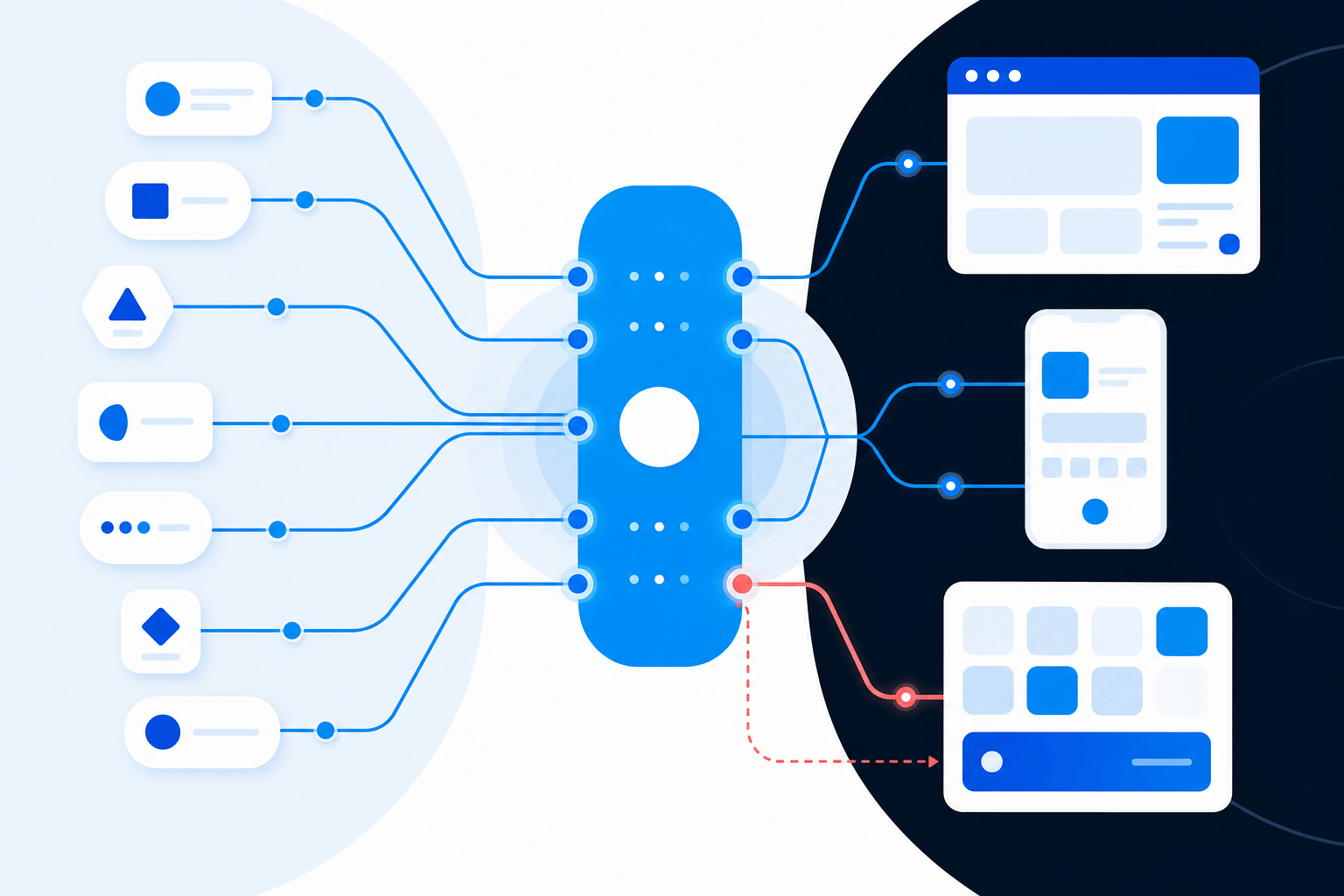
Payment methods connected to web and app channels through one API

PAYMENT PROBLEMS

The payment problems this product is designed to solve

Growth becomes harder when checkout, settlement and operational workflows are disconnected. AirSC brings the relevant parts into one practical payment setup.
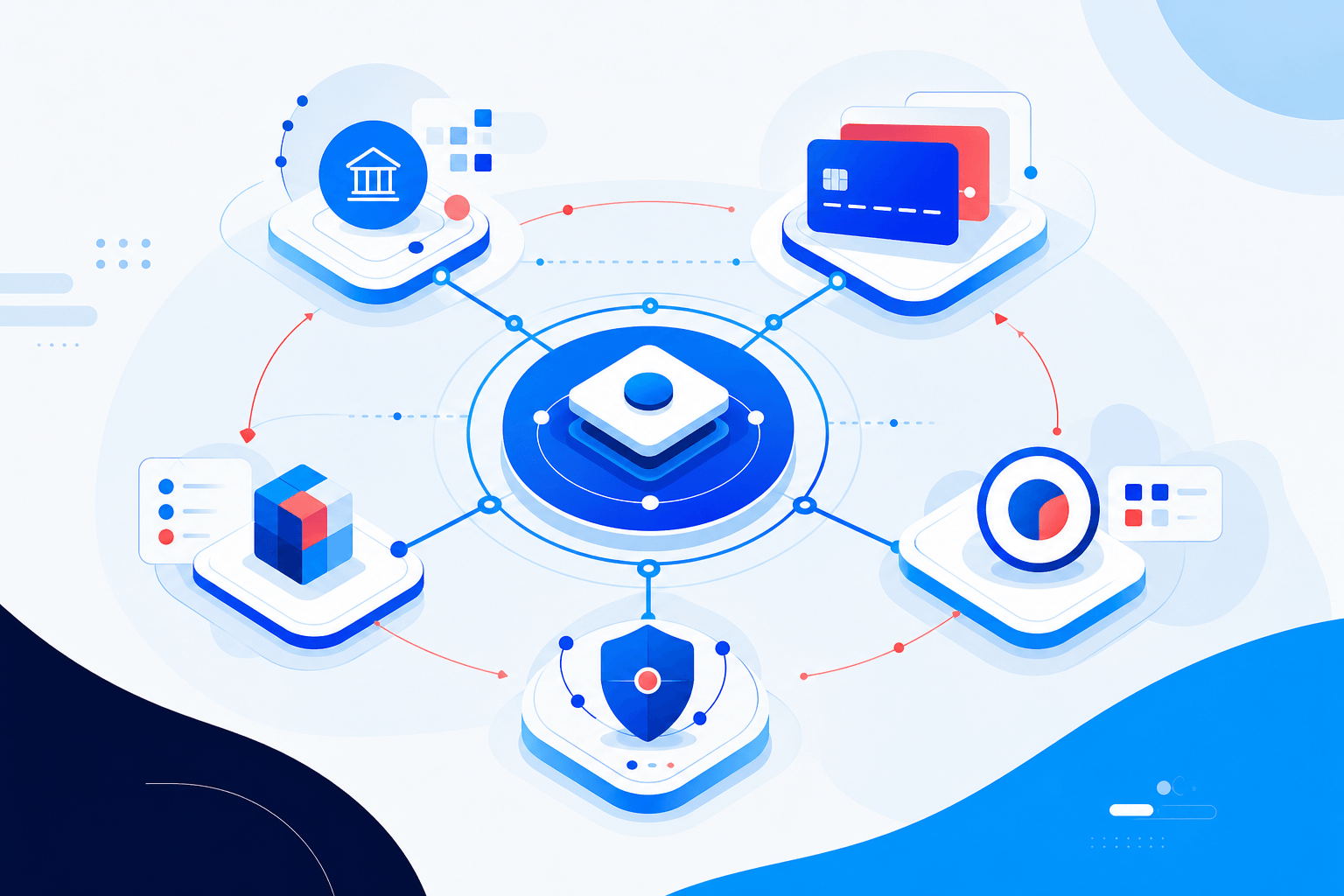
Modular payment capabilities connected to one platform
  • Every provider introduces another contract

    Separate APIs often use different request fields, authentication patterns, status names, error responses and callback behaviour.

  • Payment logic spreads across the product

    When method-specific code reaches checkout, order, support and finance systems, each new market becomes slower and riskier to maintain.

  • Inconsistent statuses create operational ambiguity

    Teams need a shared understanding of pending, successful, failed, cancelled, refunded and disputed activity across payment methods.

PRODUCT ADVANTAGES

Where this product improves payment performance

The value is not another isolated payment tool. It is a clearer way to reduce integration effort, improve customer payment choice and operate across markets.

  • A consistent technical contract

    Use one AirSC integration pattern for approved local methods and card products, reducing method-specific code in core merchant systems.

  • Centralised payment state handling

    Normalise how applications respond to payment outcomes while still preserving the details needed for a specific method or market.

  • Modular market expansion

    Add approved methods behind an existing integration foundation instead of starting a completely separate provider project for every launch.

  • One foundation across customer channels

    Coordinate web, mobile web and app payment journeys around the same backend status and operational model.

INTEGRATION

How implementation works

AirSC aligns the commercial scope, technical flow and operational ownership before an approved payment setup goes live.

  • Model the payment lifecycle

    Map merchant order states to the AirSC payment states, including pending and asynchronous outcomes before writing checkout logic.

  • Connect payment creation and callbacks

    Implement authenticated requests, merchant references, customer-flow responses and server-side status notifications.

  • Build channel-specific presentation

    Use the same backend contract while adapting redirects, QR displays or wallet actions to the needs of web and app experiences.

  • Test operational edge cases

    Verify duplicate requests, delayed callbacks, expired sessions, customer abandonment, refunds and status reconciliation.

USE SCENARIOS

Where this product creates practical value

  • Multi-market checkout platforms

    Support an approved set of local methods and cards without exposing provider-specific integration logic throughout the commerce stack.

  • Web and app products

    Share payment and status services across channels while tailoring the visible customer interaction to each screen.

  • Payment infrastructure consolidation

    Create a clearer internal boundary between business systems and the payment methods used in different markets.

MARKETS & METHODS

Market and payment-method considerations

  • One API does not mean one customer flow

    Local methods may use redirects, QR codes, wallet apps or bank actions. The integration is consistent while the visible experience remains method-aware.

  • Availability remains market-specific

    The methods enabled through the API depend on the approved merchant profile, target market and product configuration.

  • Method metadata still matters

    Customer information, expiry rules, refund behaviour and status timing should be handled according to the requirements of each enabled method.

OPERATIONS

What operations teams need to plan

  • Use idempotent merchant references

    A consistent unique reference strategy helps prevent accidental duplicate order handling and improves investigation across systems.

  • Treat server status as authoritative

    Customer browser returns can be interrupted. Fulfilment should rely on verified server-side payment state and reconciliation logic.

  • Own monitoring and escalation

    Track request failures, delayed status updates and reconciliation exceptions, with a documented path for technical and operational escalation.

Ready to enter your next market?

Tell us about your business, target markets and payment needs.