
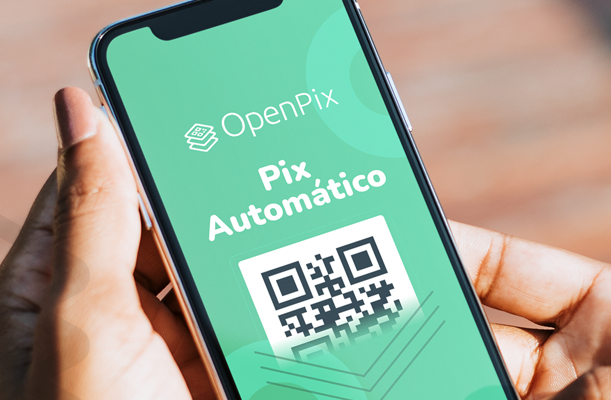
Brazil’s central bank is exploring how its Pix instant-payment system could connect with overseas payment networks, potentially extending one of the world’s most successful domestic payment schemes into cross-border commerce.
The Banco Central do Brasil said it is considering both bilateral links with other national instant-payment systems and participation in multilateral payment hubs. The move would represent a significant evolution for Pix, which has transformed Brazil’s domestic payments market since its launch in 2020.
Pix processed almost 80bn transactions in 2025, up 25.7 per cent year on year, with transaction values exceeding BRL35tn. Consumer-to-business payments now represent a substantial proportion of activity, illustrating how the system has evolved beyond peer-to-peer transfers into a mainstream retail payment method.
Its success has also intensified competition with traditional card networks. Pix offers consumers free transfers and merchants comparatively low transaction costs, while enabling payments to settle almost immediately through central bank-supported infrastructure.
Cross-border interoperability could extend those advantages internationally. Connecting Pix with other instant-payment schemes could reduce transaction costs, improve settlement speed and offer greater transparency compared with traditional correspondent banking and card-based payment models.
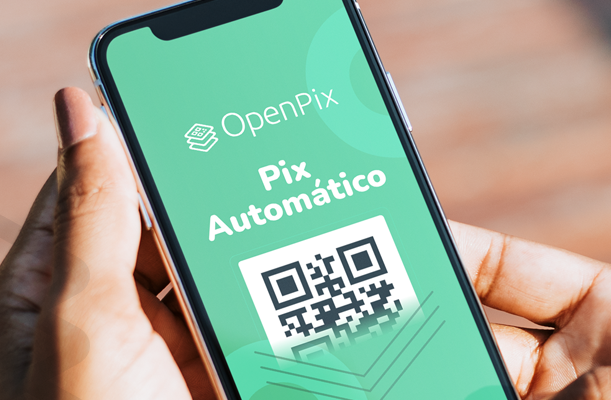
Early examples are already emerging. Banco do Brasil has introduced a service enabling Brazilian Pix customers to pay merchants in Argentina, with currency conversion handled between reais and pesos.
Brazil’s push to internationalise Pix comes alongside a more cautious regulatory approach towards digital assets.
From January 2027, certain cryptocurrency transfers exceeding $10,000 may be subject to holds of up to 24 hours before assets are transferred to overseas virtual-asset providers or self-custody wallets. The measure is designed to provide institutions with additional time to identify suspected fraud and illicit transfers.
Brazil has also been progressively bringing virtual-asset service providers within its broader prudential, anti-money-laundering and financial governance framework.
Taken together, the policies illustrate a distinctive approach to digital finance. Brazil is seeking to expand trusted, regulated payment infrastructure while imposing stronger controls where digital assets create additional financial-crime risks.
If international interoperability progresses, Pix could ultimately become more than Brazil’s domestic alternative to cards. It could form part of a wider network of connected instant-payment schemes, offering consumers and merchants another route for faster and potentially cheaper cross-border payments.